Author: Donna Taylor

  • America’s Embarrassing Reading Crisis: Working Towards a Solution

    America’s Embarrassing Reading Crisis: Working Towards a Solution

    By Dr. Lisa Richardson Hassler

    More than 80 percent of students who fail to earn a high school diploma were struggling readers in third grade. How many of these children had dyslexia and went through the educational system without proper diagnosis or interventions to help?
         We all want our children to learn and thrive. We want them to achieve measurable success–and live up to the vast potential inside each of them. But in order to do that, we must tackle the biggest problem facing America today: reading. Without proper reading skills, our workforce is less robust, job opportunities are more limited, and people’s lives are held hostage as their own self-worth becomes diminished.
         Yet, the pandemic brought forth valuable lessons. The global crisis shed light on another, lesser known, pandemic already in play for children across America. At first, parents, teachers, and other educators grappled with online teaching. Then, however, came profound lessons about teaching reading to young students–and the success that followed–because of virtual education.

    America’s Embarrassing Reading Crisis: WHAT WE LEARNED FROM COVID is a reality check on an issue we have long been avoiding. Now, there are no more excuses; it’s time to take action. Author and accomplished educator Lisa Hassler dives into her own struggles and triumphs as a mother of a child with dyslexia and as a teacher to provide solutions to parents, teachers, and educational leaders in order to set our students up for successful futures.
         The key to raising successful children is setting the stage for being a successful adult. Hassler is not only sounding the alarm with this book some educators are calling “a must-read for modern classrooms,” she’s offering a framework by which to ensure young readers are reading on grade level starting today. All children can learn to read, and deserve a bright future.

    Dr. Lisa Richardson Hassler
    www.drlisarhassler.com
  • Three Ways to Help Teens with Dyslexia Prepare for Exams

    by Hailey Thompson

    Exam period can be a stressful time for teens, parents and teachers alike.
    Everyone wants their child to do their best, whatever that looks like for them, and
    for older teens, there can be additional pressure around needing the results to get
    into higher education.


    But there can be even more stress for people with dyslexia, who may struggle with
    the mainstream method of exam preparation offered in school. If you’re trying to
    support someone in this position, you may feel a bit lost when it comes to what
    practical assistance you can offer. Here, we take a look at three things you can do to help.


    Help them make a plan
    Especially in their mid-teens, high school students may find themselves
    overwhelmed with the amount of subjects they need to revise for, and the
    number of exams they have on their timetable. This can lead to panic, and a feeling
    of running out of time, which impacts their mental wellbeing as well as their ability
    to study.

    One thing you can do is to offer to help them make a plan to manage their time,
    so that they know that they have enough time to revise for all their subjects, as
    well as knowing clearly when exams are. They could put this up in their bedroom,
    or in a communal space like the kitchen, so that everyone knows when they’ll be
    focusing.
    Just make sure that you use this as a support tool for your teen, and not as a
    way for you to put pressure on them when they’re taking a break.


    Support shared studying
    Some people with dyslexia find it hard to study alone. Dyslexia can
    make it hard for teens to concentrate, and reading their notes alone can be
    very hard work. Instead, support your teen by facilitating shared study time,
    perhaps with friends or in after school study groups. You can also ask older
    relatives or friends to help, if they’ve sat the exam before.

    By letting your teen know that you are ok with them having people over to
    study, or taking them to a friend’s house, you are giving them practical support.
    If you’re able to and they want to, you could also offer to quiz them, or let them
    talk through a specific area to check their understanding.


    Consider getting them extra support
    Your teen might not feel comfortable with you helping test them, or you might
    not feel that you have enough knowledge on the subject. In this instance, getting
    a tutor can help them get the answers they need, and teens with dyslexia might
    find that they have a better understanding of a topic if they talk through it, rather
    than read it themselves.


    Tutors can also help with confidence, and show your teen that they have the
    tools they need to succeed in their exams. Make sure to do your homework
    beforehand, and choose a tutor that is right for your family, and make it clear
    to your child that they can let you know if the tutor turns out not to be the right fit.
    It’s really important to make sure they trust this person and feel comfortable with
    them in order to get the most out of their sessions.

  • A NYC Class’s “Backwards” Song About Letters

    Erik Arnesen, a music teacher at a New York City public school (PS 18) in Park Terrace, Manhattan, remembered hearing how some children had difficulty decoding printed letters that looked alike when reversed. At the time, he only had a vague idea that dyslexia meant seeing letters and numbers jumbled, out of order, or turned around. He decided to write a song about the subject, and subsequently created a video with the children singing and acting it out. His YouTube channel is called Mr. Arnesen School Songs and features the children starring in several musically inspired educational videos. Mr. Arnesen’s YouTube channel also has songs about opposites, manners, science, music, and more. It can be found here: https://www.youtube.com/user/fearless5009

  • Help inspire the Future of Work with F4S

    Fingerprint for Success (F4S) is a technology that helps you to understand
    and bring out the best in yourself and others at work. At F4S we have a vision
    to inspire the workplaces of the future where cognitive diversity is not only
    embraced, it is celebrated.
    We believe everyone deserves psychological safety at work, now and into
    the future, where self-awareness and bringing your authentic self to work
    become the norm. With the increasing levels of dyslexia diagnoses and
    neurodiverse individuals entering the workforce, F4S has launched a first of
    its kind study that asks the question, can dyslexia be a superpower in the
    workplace?
    The call for greater research in the field of dyslexia is driven by the need to
    better understand and advise workplaces and professionals who have contact
    with adults with dyslexia on how to best tap into the talents and opportunities
    unique to these individuals. Adults with dyslexia have been noted to possess
    talents in areas such as empathy, good oral communication skills, creativity
    and problem solving ability.
    At F4S we aim to add a new lens to the existing research by uncovering the
    unique talents and cognitive biases of individuals with dyslexia at work.
    This research will help make it possible for those with dyslexia to thrive and
    realize their full potential at work, and to help leaders to provide
    a supportive workplace that embraces and celebrates cognitive diversity.

    If you feel the call the to participate or know someone who has dyslexia,
    please join our study at
    https://www.fingerprintforsuccess.com/research/dyslexia-study.

    About Fingerprint for Success (F4S)
    Fingerprint for Success is a professional & personal development platform
    for individuals & teams to make amazing things happen at work and in life!

  • An Able Workforce: Attracting Differently-Abled People During the Recruitment Process

    Written by Elijah Dawson

    The recent shift towards remote working has made it possible to see how differently-abled people, including those with dyslexia, can integrate into the workforce with ease. Inclusivity is beneficial to both workers and business owners. With the right solutions and accommodations in place, talented prospective employees will feel confident and safe in applying for the opportunities you are offering.

    Transform the Culture

    Any new hires who are differently abled will never feel fully accepted in the workplace if your current employees aren’t made aware of how to behave appropriately around them. The leaders within your business should also be well trained on what to expect during day-to-day operations and how to properly intervene if a conflict arises. 

    Although in-person sensitivity seminars can be held for employees, online courses may also be made available so that the training, which is undoubtedly necessary, does not interrupt productivity. 

    Since your employees have first-hand exposure to your workplace tactics, ensure that you allow them the opportunity to provide feedback on current inclusivity measures so that you are well aware of the extent of change that is needed. 

    Rethink Recruitment 

    When recruiting any talent, including those who are differently abled, it’s vital to ensure that the job description in your posts is enticing and attractive. Be sure to effectively communicate the job’s requirements, related responsibilities, and remuneration. 

    Consider including information on your organization’s inclusivity efforts, and ensure that employee testimonials are easy to find through a Google search. It may be worthwhile to create a social media post that boasts the quality of the working environment your company is offering.

    Implement Solutions

    When hiring a differently-abled person, it’s important to open up the conversation on what accommodations they require. Let them know that your organization will do everything possible to try to make the working day manageable for them.

    • Physical comfort: If your employee’s disability is physical, ensure that your office space is accessible and easy for them to navigate. If this isn’t possible, consider allowing them to work from home and implement the necessary remote working solutions to ensure that workflow is not disrupted.
    • Schedule: As long as they are meeting deadlines, differently-abled employees may require more flexible working hours to be able to fit in the additional doctor’s appointments or physical therapies they often need. 
    • Communication: There are loads of new technologies and software that are helpful in accommodating disabilities like dyslexia. Apart from introducing these into your daily operations, consider checking if communication trends can be more inclusive. In-person or verbal communication may make things easier for those with disabilities. 

    Evaluate Processes and Procedures

    If you’ve never paid attention to inclusivity measures before, it’s possible that policies within your company have been structured in a way that does not accommodate differently-abled people very well. All procedures, including disciplinary measures, the code of conduct, recruitment and termination processes, as well as operational expectations should be scrutinized and improved where possible. 

    Differently-abled people have a plethora of talent and value to bring to their employers, and with technology making it possible to implement accommodations, it’s easier than ever to help them become integral parts of your workforce. Take a close look at your current processes and procedures to help identify how you can transform your organization into a desirable workplace for differently-abled folk, including those with dyslexia.

    The American Dyslexia Association is a non-profit organization that is geared toward improving the lives of those with dyslexia and dyscalculia. This is achieved by making information and teaching aids free and far more accessible. Find out more about these conditions at: www.dyslexia.me

    Image by Pexels

  • Running Your Own Business: 5 Tips for Parents With Dyslexia

    Written by Justin Bennett

    If you’re a parent with dyslexia, you might find it difficult to work at a traditional 9-to-5 office job. Not only does this leave you with less time to spend with your child, your supervisors may not understand your needs, leaving you to struggle with lots of tasks. To figure out the next steps in your career, you can turn to the resources from the American Dyslexia Association. In the meantime, these tips can help you make a living as an entrepreneur!

    Outline a Business Plan

    No matter what kind of business model interests you, you need to begin by crafting a business plan that you can reference in the months ahead. You’ll want to include detailed descriptions of your planned offerings, a preliminary marketing and sales strategy, your estimated expenses and projected income, and the materials and supplies you’ll need to operate your business.

    Marketing Your Company

    Once you’ve made your products or services available for purchase, you need to start marketing your offerings in order to land your first customers. You’ll want to set up a website, create social media accounts for your business, and even give people the option to sign up for email newsletter updates from your company. 

    If you really want to make your company stand out, you’ll need to create a logo to establish your brand! This is one of the easiest ways to ensure that you make a memorable impression on your customers. If you’re launching your company on a tight budget, you might not want to spring for a graphic designer – but luckily, you don’t have to! With a free online logo design tool, you can choose your favorite style and icon, and the system will give you an array of logos to choose from with the option to change the fonts and colors.

    Avoid Burnout

    When you have dyslexia, projects that might seem simple and straightforward to someone else can feel more stressful for you. As a business owner, it’s especially important for you to maintain a manageable workload so that you don’t end up getting burned out. Startup Nation recommends planning out project deliverable deadlines so that you can give yourself full days off and setting clear expectations for clients, including boundaries around when they can expect phone or email responses from you.

    Find Childcare

    As you adjust to working from home, you may find that on exceptionally busy days, it’s too hard to balance both work and childcare. You catch yourself wishing that you had someone else around to take on certain childcare responsibilities and keep your kids occupied and entertained! You might be interested in hiring a part-time nanny to look after your children when you need to attend video meetings or run work-related errands outside of the home.

    Hire Your Team

    Bringing a few additional members onto your team can make life much easier for you as an entrepreneur with dyslexia, as your employees can take on tasks that cause you undue stress. To find the right staff for your business, Tycoon Story recommends proactively seeking out freelance workers – they are likely to have flexible schedules, a wide variety of skills, and the ability to adapt to unexpected situations. Freelancers are often already accustomed to working with home-based business owners.

    Dealing with dyslexia in adulthood can be challenging, but you also have the agency to choose your own path in life. As a parent, you might realize that pursuing entrepreneurship and working from home suits you best! With these tips, you’ll be able to thrive as a business owner with dyslexia.

    Looking for resources to help you navigate your professional and personal life with dyslexia? The American Dyslexia Organization can help! Browse our blog today for articles packed with tips.

    Photo via Pexels

  • Why Dyslexia is a Gift

    by Karl Leeuw

    These are some of the dyslexic people in history:

    Albert Einstein, Nikola Tesla, Michael Faraday, Stephen Hawking, Steve Jobs,
    Robin Williams, Henry Ford, Da Vinci, Newton, Walt Disney, Thomas Edison,
    Picasso, John Lennon, Winston Churchill, Alexander Bell, Thomas Jefferson,
    John F Kennedy, Woodrow Wilson, George Washington, the Wright Brothers,
    Mohammed Ali and many more.

    Now for the famous dyslexic people who are alive:

    Richard Branson, Cher, Whoopi Goldberg, Tom Cruise, Andy Warhol,
    Anthony Hopkins, Ozzie Osborne, Steven Spielberg, Sylvester Stallone
    and many more.

    What do they all have in common?
    They struggled at school. Yes, they did not get A’s or 10 out of 10 and yet
    they became a genius in their field.
    So, why?

    The reason why dyslexia is a gift is that we use the right side of our brains,
    Sally Shaywitz of Yale University put dyslexic and non-dyslexic people in a
    study using an fMRI tunnel and proved this.

    About 10% of the world’s population suffers from the gift of dyslexia and has
    this right brain gift that is fit for creativity.
    In a study, the Cass Base Business school in the UK showed that dyslexic
    people are five times more likely to be innovators compared to non-dyslexic
    people and this is why: We can see things that others cannot.

    So, the key is to know you have a gift and not worry about not doing so well at
    school, but rather concentrate on doing things you excel at and love.
    Non-dyslexic people that make up about 90% of society suffer from the gift of
    using the left brain, which is great for sequential things.

    So, great for the educational system and getting A’s and 10 out of 10.
    This is a massive gift in its own right.

    Yin and Yang.
    The ancient Chinese knew that for every positive, there must be a negative.
    In science, for every negative, there must be a positive.

    So, if you believe in Yin and Yang, know that because you are struggling at school
    means that you have a huge gift on the other side.
    It turns out that, as discussed before, it is because we, as dyslexic people, use the
    right side of the brain.

    For the full video that explains above in more detail:

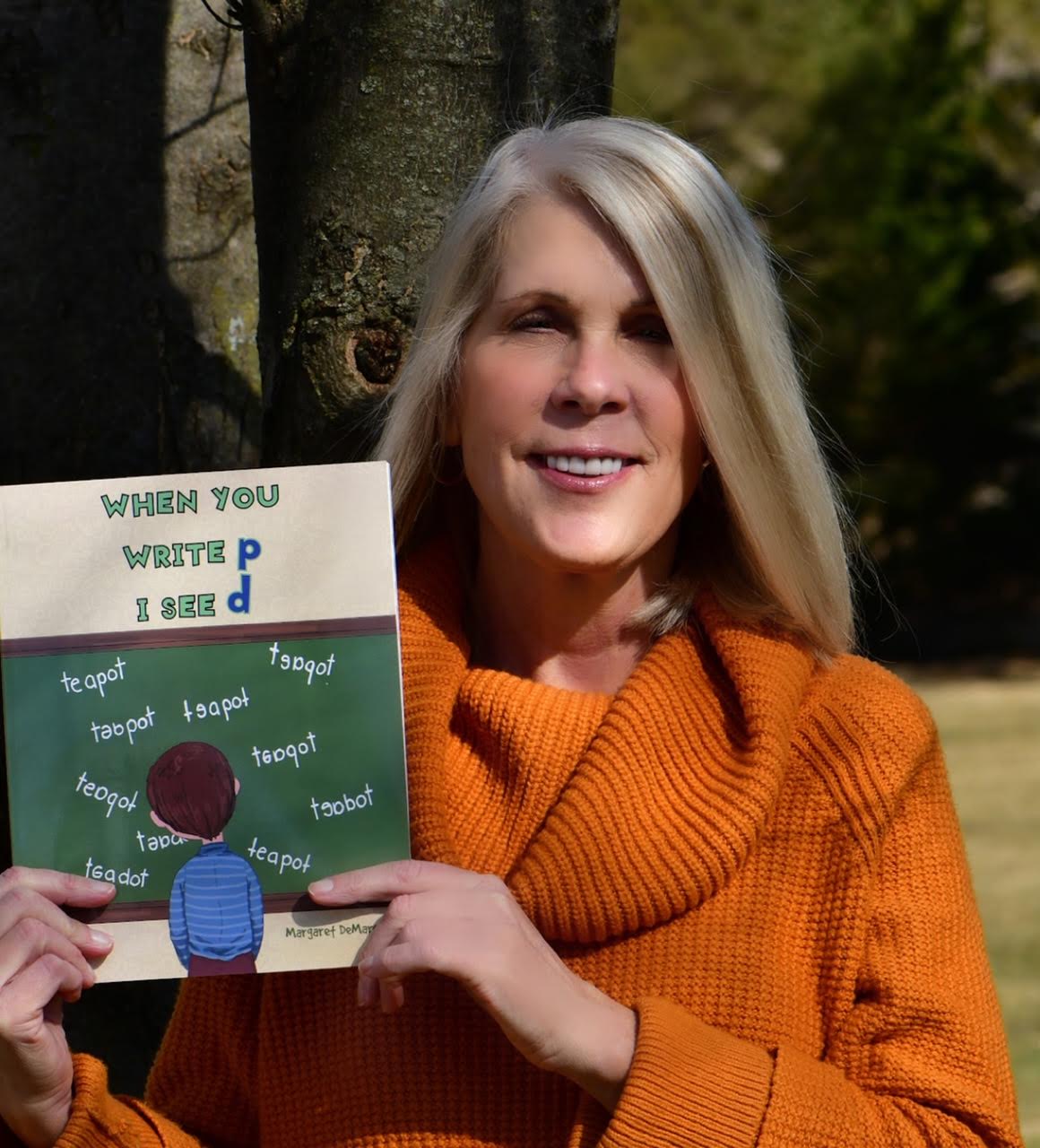
  • When You Write p I See d

    by Margaret DeMarchi

    Attention to the social and emotional well-being of children has come to the forefront of education in recent years with good reason. As a special education teacher for the first 25 years of my teaching career, one of the greatest challenges I faced each day was helping children with dyslexia to believe in themselves and, most importantly, their ability to learn. While there is now a wealth of information to support and inform adults and educational professionals about dyslexia, little is available to help children understand and cope with their disability. Quite simply, I wrote When You Write p I See d to fill that void and to provide young children a necessary foundation of confidence and create a positive self-image to help them overcome the social and emotional challenges they face every day due to dyslexia or other learning disabilities. In short, the goal of this book is to empower students with the knowledge that they are not ‘dumb’ or ‘stupid’, but simply need to learn in a way that is different than their peers, and that’s okay! So often students, particularly those who are dyslexic, feel isolated and alone, that they are the only ones facing these challenges as they quietly watch their classmates quickly and easily decode a text or story and wonder why the same task seems so difficult or even impossible for them. With each passing grade level, feelings of insecurity and self-doubt grow until giving up, or acting out, seems the best choice.

    This story works to empower young learners, giving them the confidence to believe in themselves and achieve academic success by showcasing a character they can relate to, someone who looks like them, and faces the same challenges dealing with dyslexia. The character doubts himself, but learns he is special, smart and ultimately, successful, learning how to read and all the joy that accomplishment brings. A serious topic, dyslexia is shared in a kid-friendly story, with illustrations and a rhyming, engaging tone children will enjoy. Learning about new things, reading stories filled with fun and imagination is not out of reach for any student. Learning should be fun and my story, When You Write p I See d, shows every student that it is possible to enjoy reading and be a successful student.

    Amazon: https://www.amazon.com/When-You-Write-Margaret- Demarchi/dp/1637109652/ref=sr_1_1?keywords=When+You+Write+p+I+See+d&qid=1639059835& sr=8-1

    Barnes & Noble: https://www.barnesandnoble.com/w/when-you-write-p-i-see-d-margaret- demarchi/1140670262?ean=978163710965

  • Learn to Cartoon – the fun way for creative Kids to build confidence

    Does your child love to doodle and draw? Do they learn best through pictures? Here’s a surprising way to nurture their creative skills and build their confidence – it’s called cartooning!

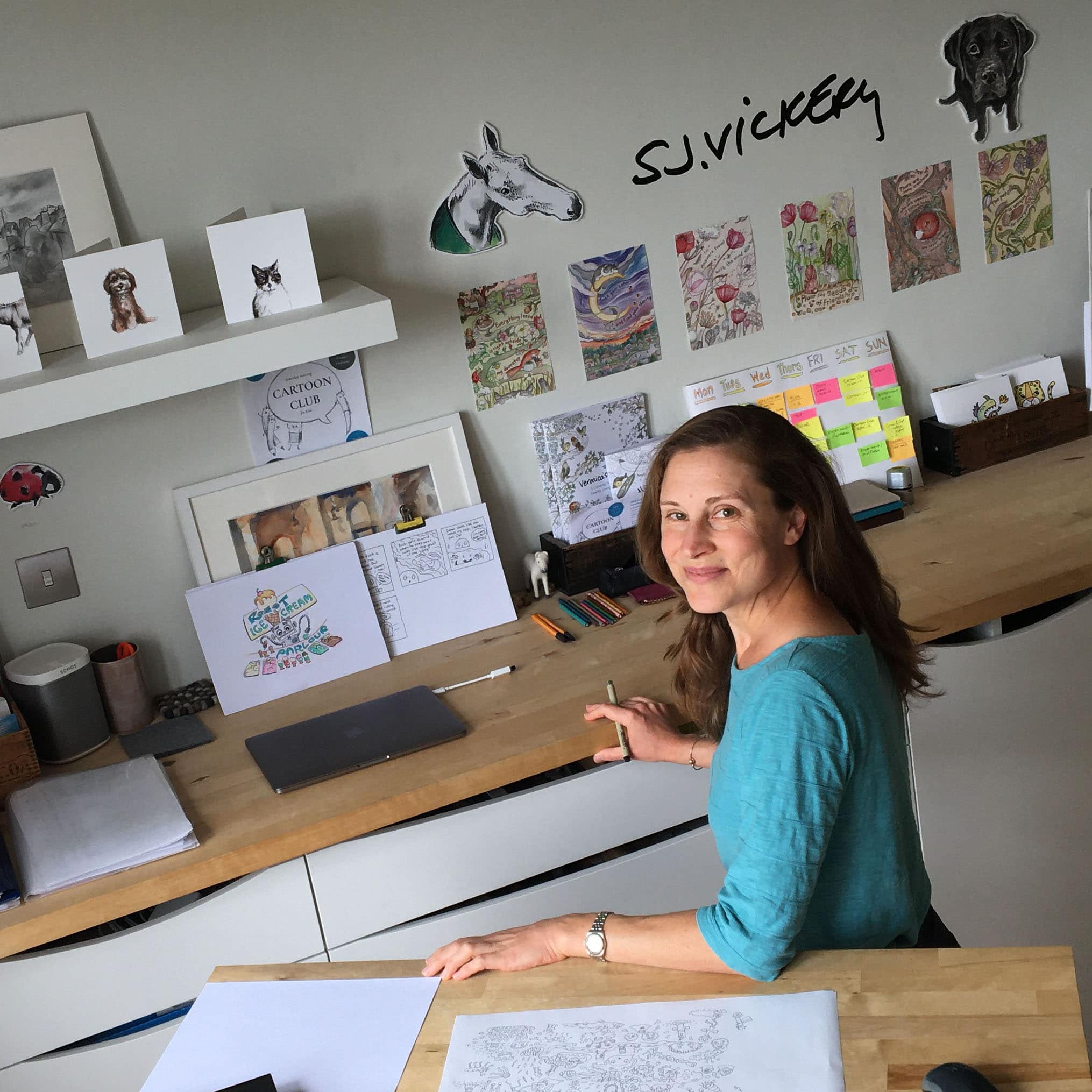
    Meet artist, Sarah Jane Vickery. She’s taken the skills she learned during her own struggles with dyslexia, to develop Cartoon Club – a program that helps kids build confidence through the ageless art of cartooning.

    Cartoon Club started out as an after-school activity in local schools but quickly grew in popularity with the children to become a program of weekly online art classes as well as a Cartoon Club Game and Online Course.

    Sarah believes that a creative mindset is not just about thinking outside of the box and inventing new things, it’s also key to expressing thoughts, processing ideas and telling your own story. These are the tools that children develop by cartooning. By fostering the skills of creative thinking, children build confidence to adapt and change, not just when they are drawing, but in everyday life too.

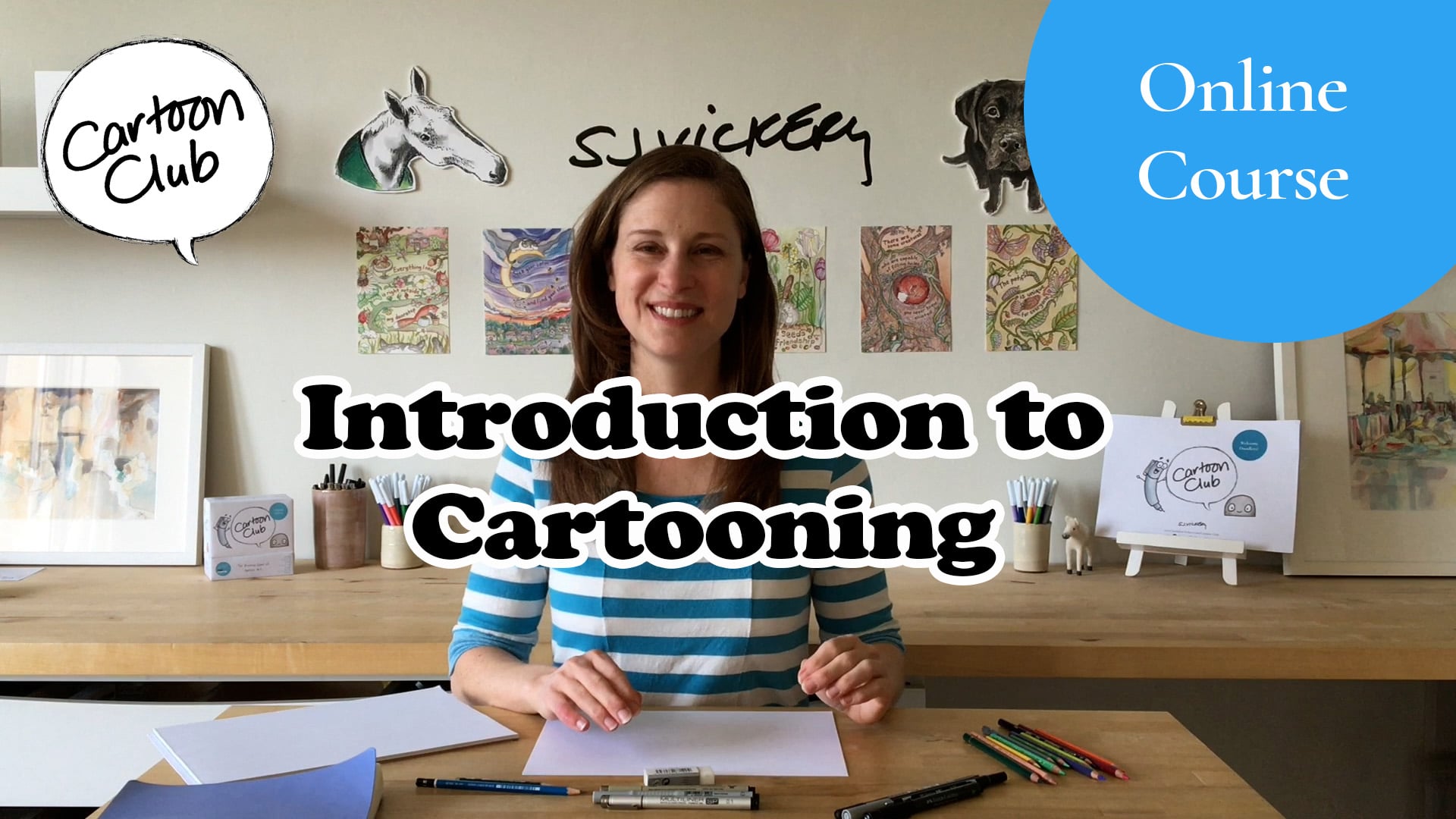
    In order to reach more children, Sarah has developed the Introduction to Cartooning Online Course. Based on her Cartoon Club class, it’s more than just a step-by-step instruction on how to draw. Sarah explains how she approaches each drawing, how she plays with ideas to design interesting characters, and the types of questions she asks herself when she get stuck or her picture isn’t working out how she wants. Her goal is to give children the skills to be creative with their drawings and have the confidence to solve challenges when they’re working on their own.

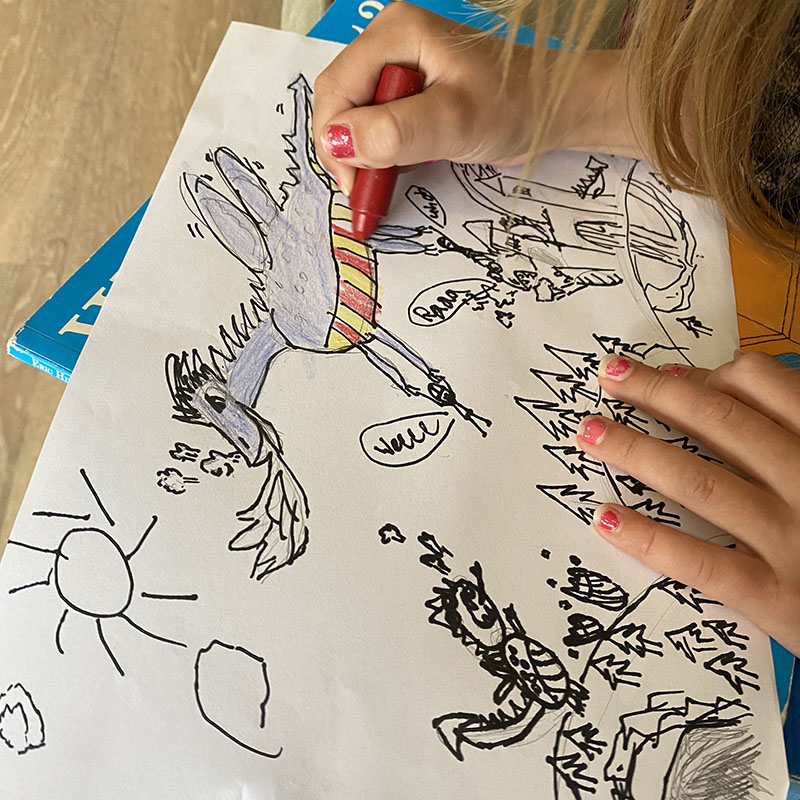
    Cartooning has the connotation of being light-hearted or even silly, but it’s that very freedom to think outside of the box that Sarah says enables students to free their imagination and come up with new ideas they never thought possible. It’s a real confidence boost for dyslexic children who are often very strong visual learners. 

    The Online Course has lots of creative challenges for children. In one exercise, Sarah shows children how to brainstorm to develop their ideas from a simple starting topic into a complete cartoon scene. That’s another great thing about cartooning – you don’t have to take so seriously that it stifles in your creativity. In fact, it is quite the opposite. Parents say that they are amazed at how imaginative their children are and what they are able to produce from the topics Sarah presents in Cartoon Club.

    Sarah says that “as someone with dyslexia myself, I have always struggled to communicate in words. Drawing and cartooning have always made it so much easier. I find it’s this combination of brainstorming, juxtaposing different ideas and translating that into a cartoon narrative picture, that enables me to develop and communicate my ideas so much more effectively.”

    If you’d like to learn more, Sarah has given us a little taste of what you’ll learn in the Online Course. If you’re wondering if it’s right for you, you can grab your pencil and have a go at drawing along with her in the FREE Course Taster. This sample exercise is one on Capturing Expression. It’s about 20 minutes long and all you need is a pencil and paper. It’s a lot of fun and you’re going to be surprised at what your children can produce. You can have a go too!

    Online Course Description

    This is an online cartooning course for anyone who loves to doodle and get creative. If you want to not only improve your drawing skills but also create your own cool characters and draw fantastic cartoon scenes, this is the course for you!

    Who’s the Course for?

    The course is aimed at both beginners, who have not done a lot of cartooning before, as well as keen doodlers who want to develop their own style. This online cartooning course is based on my Cartoon Club for Kids (ages 8-12) and Discover Your Inner Cartoonist (adult) online art classes. So no matter your age, if you enjoy putting pen to paper, I think you’ll be surprised at just how creative you can be!

    What will you learn?

    The fun way to be drawing simple cartoons in no time

    How to capture great expressions on faces

    Show action and motion in your characters

    Use lettering, bubbles and shapes to draw words

    Design your own cool characters

    Create a full cartoon scene on a topic

    Make your characters pop with color

    To learn more visit: Cartoon Club Introduction to Cartooning Online Course

    Members of the American Dyslexia Association can get 10%OFF the course using discount code: cartoondyslexia10

    Cartoon Club for Kids

    Online classes, Online Course and Game

    Sarah Jane Vickery

    www.sarahjanevickery.com